
Dental Implants
Replacing missing teeth with artificial roots for a natural, long lasting result
Implant Placement
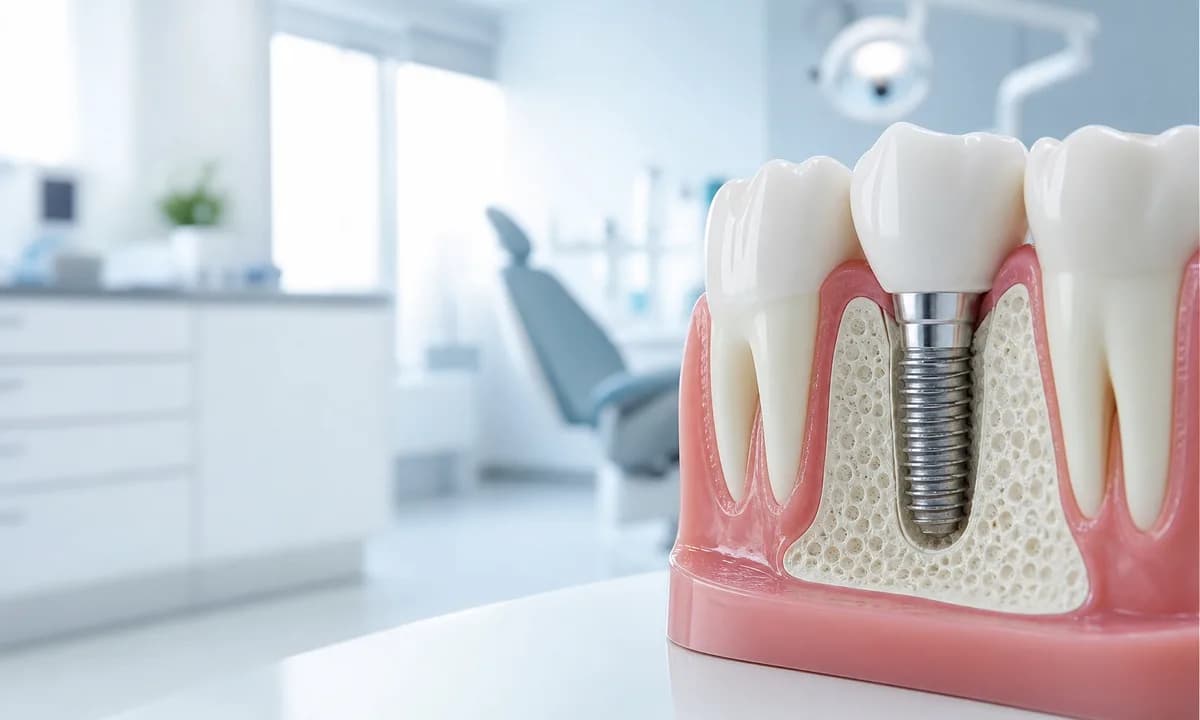
A titanium artificial root is placed into the jawbone where a tooth is missing, restoring full function just like a natural tooth. Once the implant bonds securely with the bone, a permanent crown is fitted on top.
View 6 steps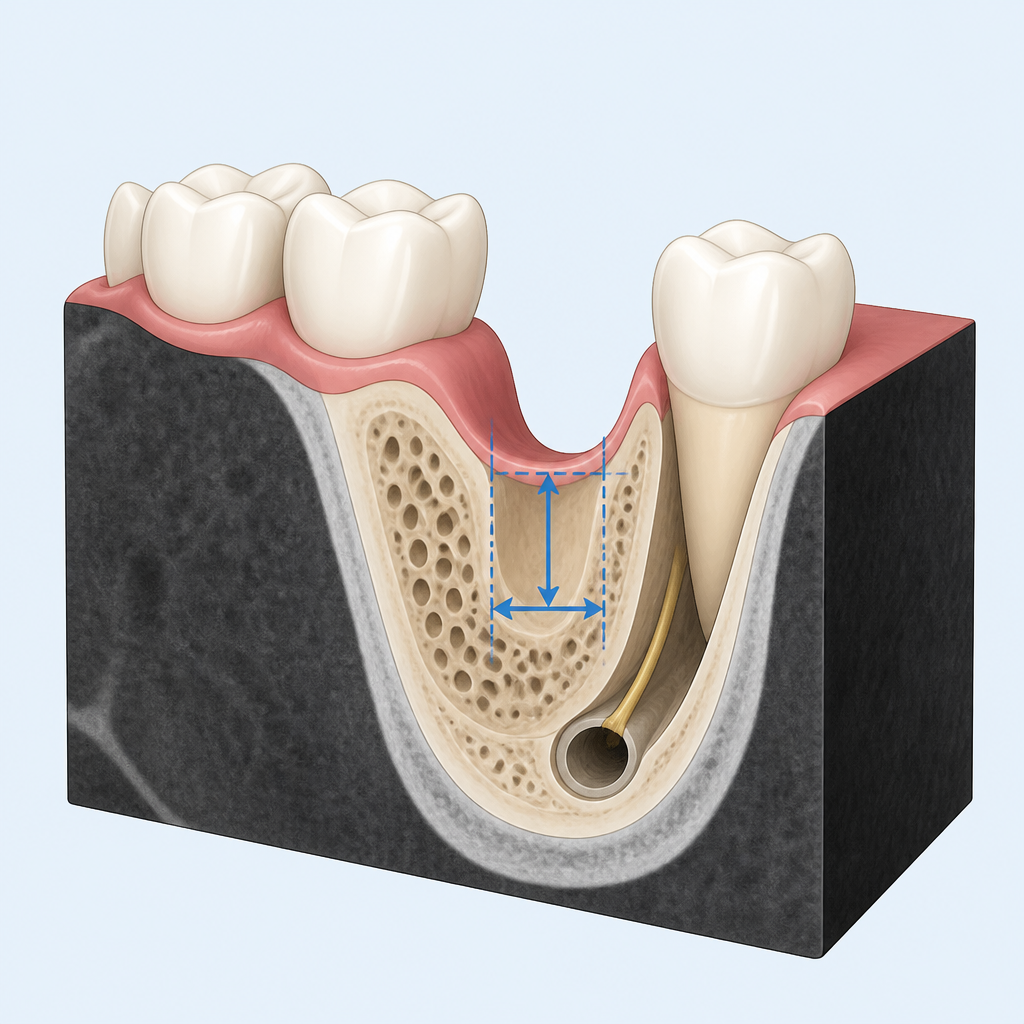
Bone Graft
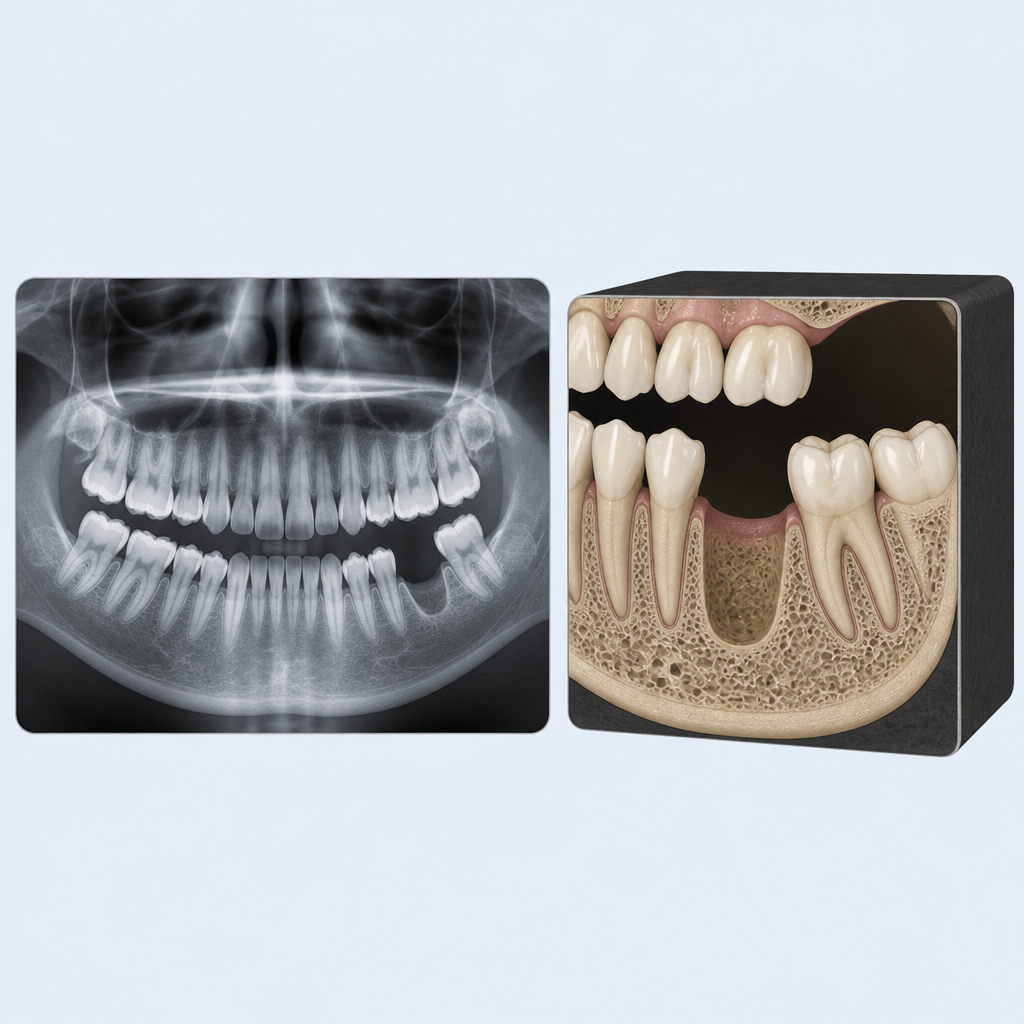
When there is insufficient bone volume to support an implant, a bone graft rebuilds the jawbone using graft material. Once adequate bone has formed, an implant can be placed with confidence.
View 6 steps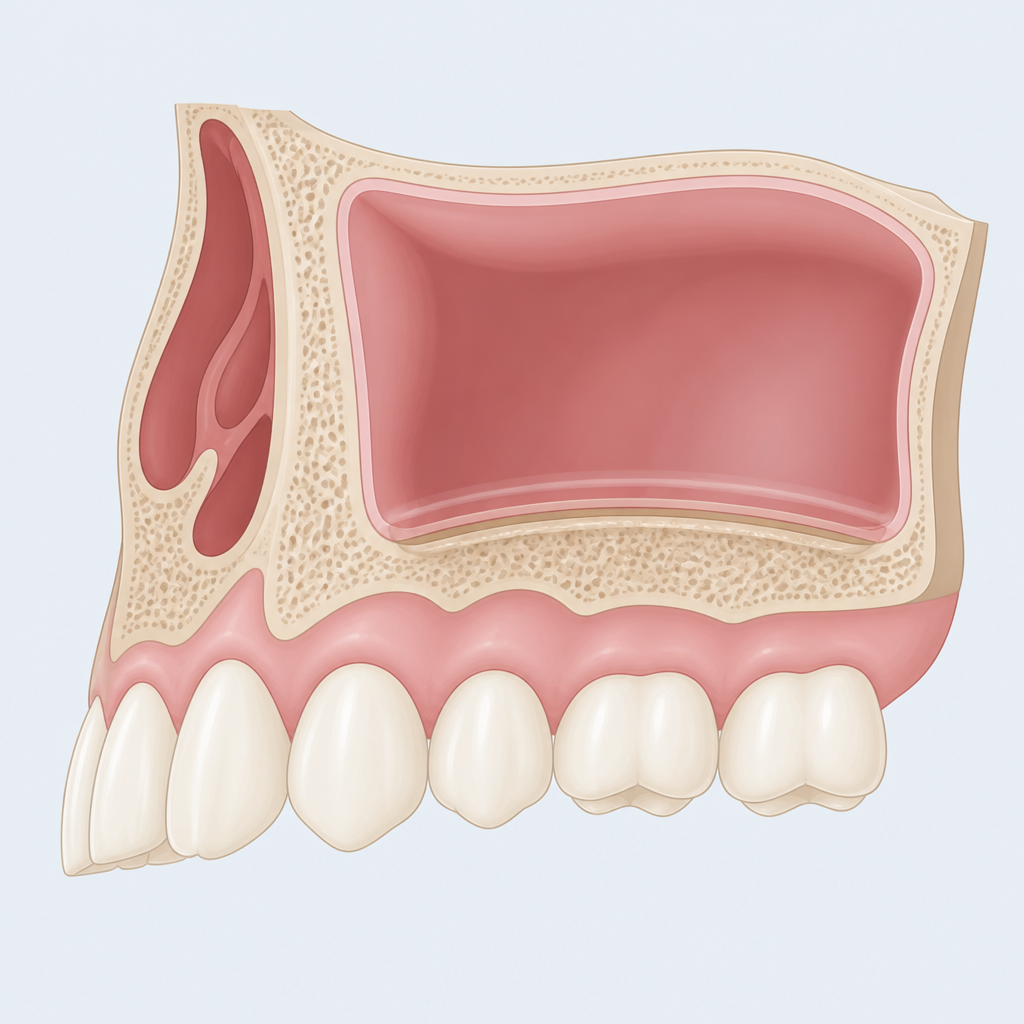
Sinus Lift
When the upper back jaw lacks sufficient bone height for an implant, a sinus lift gently raises the sinus membrane and fills the space beneath it with bone graft material. This creates the solid bone foundation needed to place implants safely, even in patients who were previously told they did not have enough bone.
View 6 steps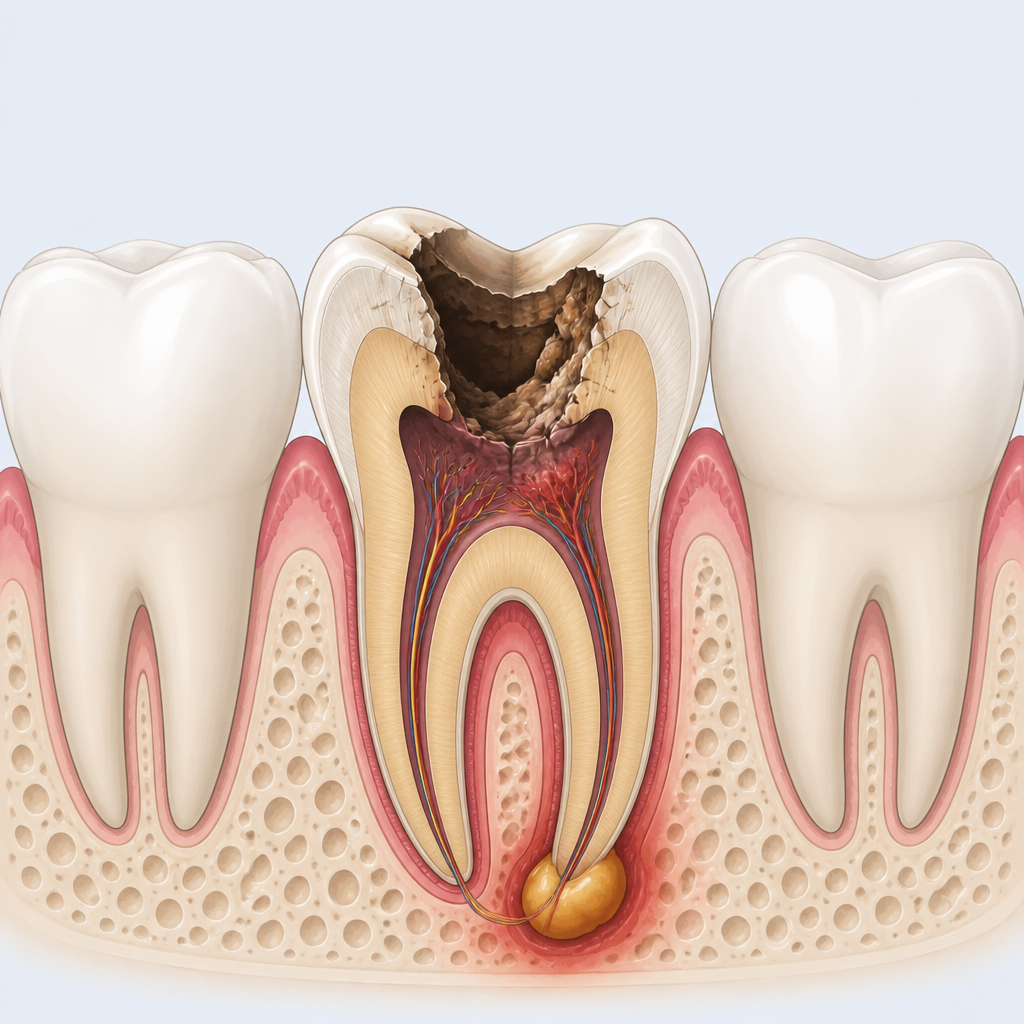
Socket Preservation
Immediately after a tooth is extracted, the empty socket is filled with a specialised bone graft material to prevent the jawbone from shrinking. This preserves the healthy bone volume and gum shape needed for an implant later on.
View 6 steps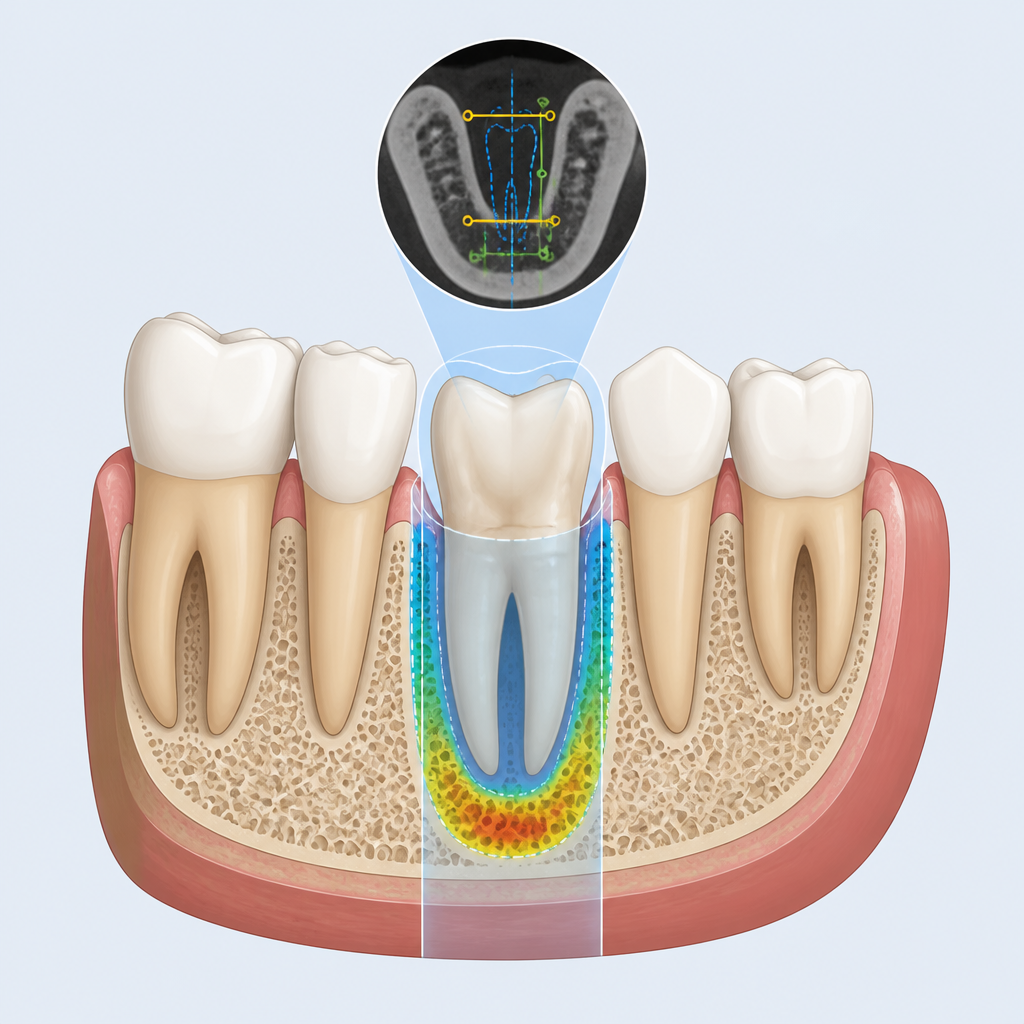
Immediate Implant
With an immediate implant, the artificial root is placed into the socket at the same appointment as the extraction, eliminating a separate healing stage. This significantly reduces the overall treatment time and the number of surgical visits. Not every patient is suitable, and your dentist will assess your eligibility first.
View 6 steps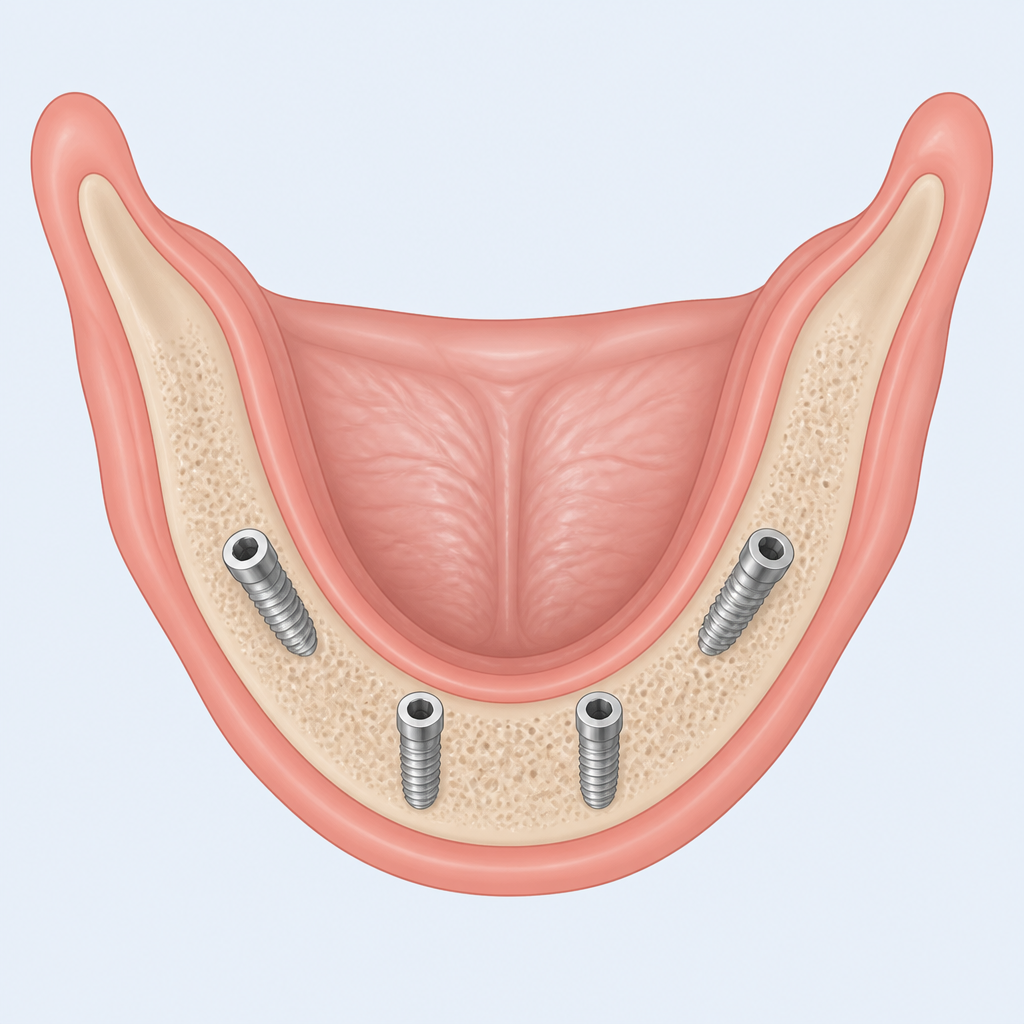
Implant Supported Overdenture (All on 4)
For patients who have lost most or all of their teeth, the All on 4 technique secures a full arch of teeth onto just four implants. Unlike traditional dentures, there is no slipping or movement, and you can eat and speak with the same confidence and comfort as natural teeth.
View 6 steps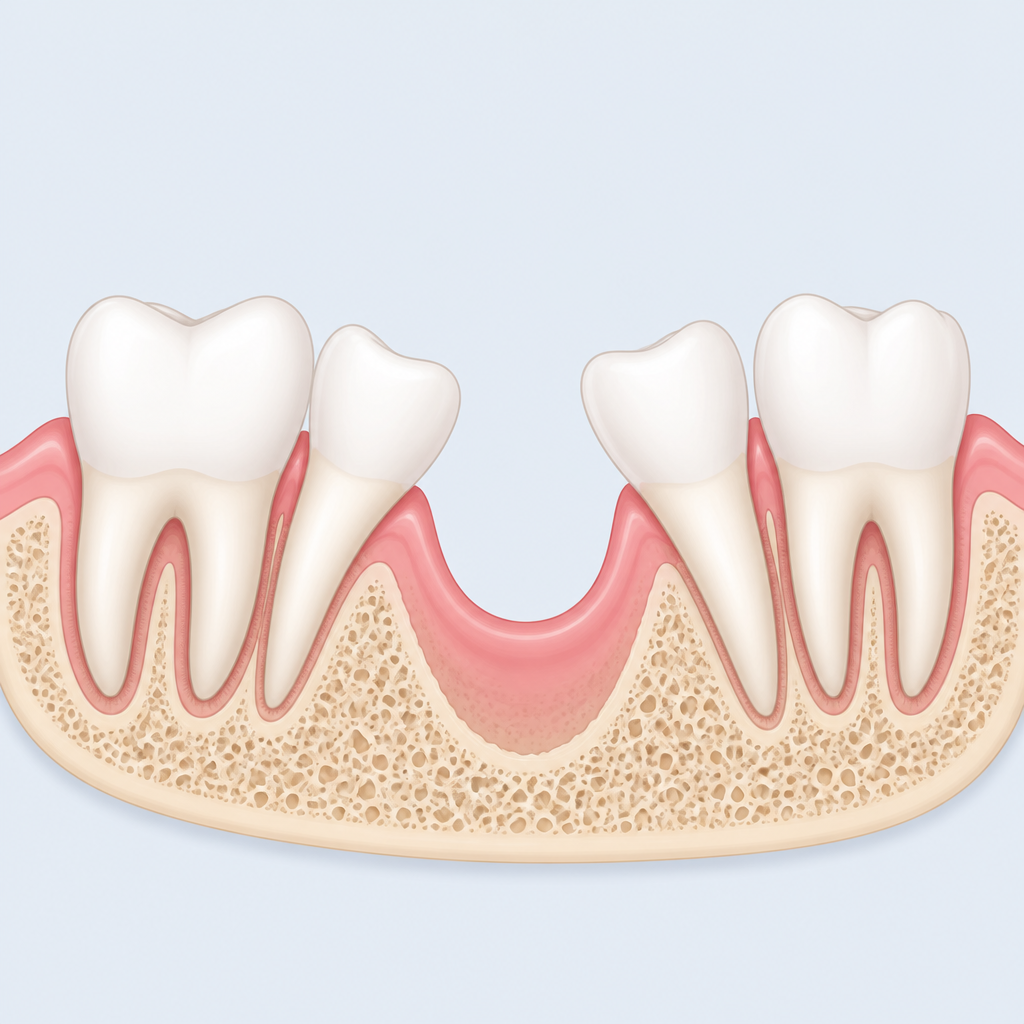
Treatment Options Comparison
There are three main ways to replace a missing tooth (dentures, bridges, and implants), each with its own advantages and limitations. We explain all three clearly so you can choose the option that best suits your needs and priorities.
View 5 steps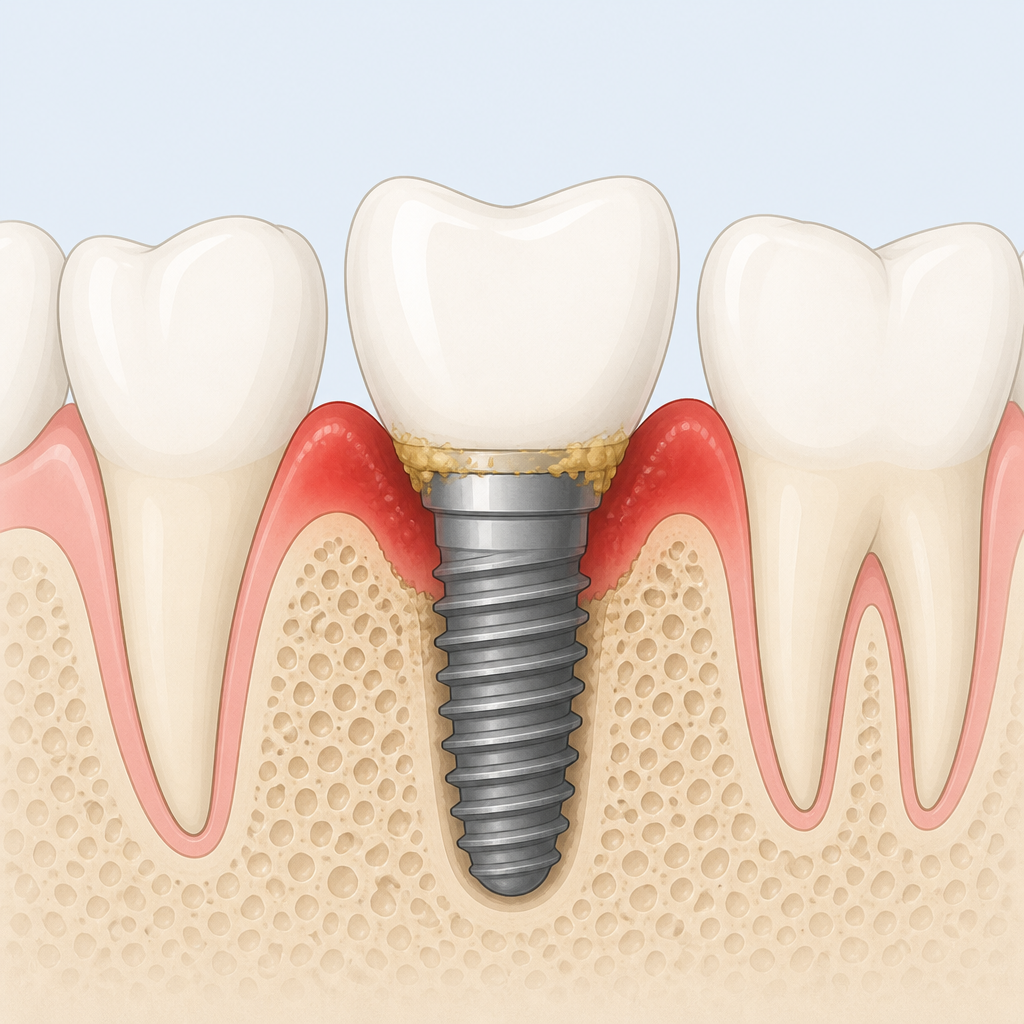
Implant Maintenance
When bacteria accumulate around an implant, they can cause inflammation of the surrounding gum and bone, a condition called peri implantitis, which may eventually cause the implant to loosen or fail. Regular dental check ups and thorough cleaning at home are essential to keep your implant healthy for life.
View 6 stepsDental Implant FAQs
Common questions about dental implants in Carlow, answered by Dr. Sina Choi.
Dental Implants
The cost of dental implants in Carlow depends on how many teeth are being replaced, whether bone grafting is needed, and the type of restoration. A single implant is a bigger investment than a bridge or denture, but it lasts far longer and protects the jawbone. I provide a clear, itemised quote after an assessment, and you can claim 20% tax relief on implants in Ireland using the Med 2 form.
Placing an implant is done under local anaesthetic, so you should not feel pain during the procedure. Most patients say it is more comfortable than they expected, similar to a routine extraction. Some mild swelling or tenderness for a few days afterwards is normal and is easily managed with ordinary over the counter pain relief.
Most implant treatment takes around 3 to 6 months from start to finish. After the implant is placed it needs time to fuse with the jawbone (osseointegration) before the final crown is fitted. The number of appointments is small, and a temporary tooth can be provided where needed so you are not left with a visible gap.
With good oral hygiene and regular checkups, the titanium implant itself can last 20 years or more, often a lifetime. The crown on top typically lasts 10 to 15 years before normal wear may call for replacement. Implants have one of the highest long term success rates of any tooth replacement option.
Most adults missing one or more teeth are suitable. The main factors are having enough healthy jawbone, healthy gums, and good general health. Smoking and uncontrolled conditions such as diabetes can slow healing. If bone is limited, a bone graft or sinus lift can often make implants possible. I confirm your suitability at a consultation with an examination and radiographs.
Implants are fixed in the jaw, so they don't move, never need to be taken out, let you eat and speak naturally, and protect the bone from shrinking. Dentures are removable and cost less up front but can feel less secure. Implant retained dentures combine both: a removable denture that clips firmly onto implants for much greater stability.
All on 4 replaces a full arch of missing teeth, upper or lower, using just four implants to support a fixed bridge of teeth. It is a strong, permanent option for people who have lost most or all of their teeth, and it often avoids the need for bone grafting. The result looks and functions like a full set of natural teeth.
Yes. Losing bone after teeth go missing is common and does not automatically rule out implants. A bone graft can rebuild lost bone, and a sinus lift can create room for implants in the upper back jaw. These are routine procedures that allow many people who were previously told they couldn't have implants to go ahead.
Dental implants have a very high success rate. Studies consistently report around 95% or higher over ten years when implants are placed and cared for properly. Long term success depends on good oral hygiene, not smoking, and attending regular checkups so the implant and the surrounding gum and bone stay healthy.
Caring for implants is much like caring for natural teeth: brush twice a day, clean between them daily with floss or interdental brushes, and keep up regular checkups and hygiene visits. Implants cannot get cavities, but the gum and bone around them still need to be kept healthy for the implant to last.
Yes. Dental implants are not a routine treatment, so you can claim 20% tax relief in Ireland through the Med 2 form. I complete and sign the Med 2 for you, and you submit it to Revenue with your tax return to claim back part of the cost.
Absolutely. A single implant is the ideal way to replace one missing tooth without grinding down the healthy teeth on either side, as a conventional bridge would. The implant and crown fill the gap permanently and are colour matched to blend in with your natural teeth.