
Dental Crown
Restore strength, function, and appearance to a damaged tooth with a custom made dental crown.
What Is a Dental Crown?
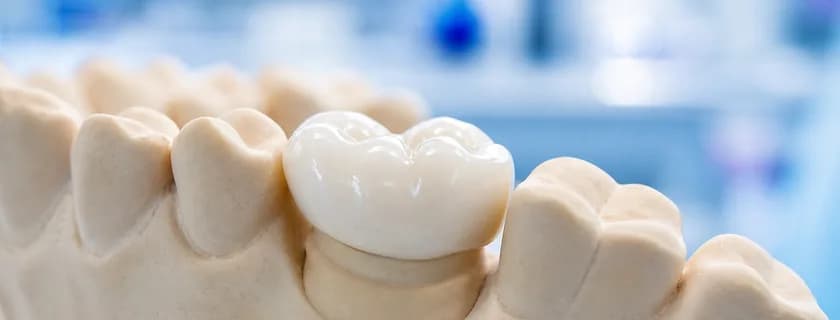
A dental crown is a custom made cap that fits over your entire tooth, restoring its shape, size, strength, and appearance. Think of it as a protective helmet for a tooth that's been weakened or damaged, covering the visible portion of the tooth above the gumline and cemented permanently in place.
Crowns are one of the most common and reliable restorations in dentistry. In my Carlow practice, I use them regularly to save teeth that might otherwise be lost, and to restore both function and aesthetics.
When Do You Need a Dental Crown?
I may recommend a crown in the following situations:
- After root canal treatment: a tooth that's had a root canal becomes more brittle over time and needs the full protection of a crown to prevent fracture
- A cracked or fractured tooth: when a crack is too extensive for a filling but the tooth can still be saved
- A large filling that's failing: when a filling makes up more than half the tooth's structure, a crown provides better long term support
- Severe decay: when decay is extensive but the root is still sound, a crown can rebuild the tooth rather than extracting it
- Cosmetic reasons: to improve the shape, alignment, or colour of a tooth that's prominently visible
- To support a dental bridge: crowns on adjacent teeth serve as anchors for a bridge that replaces a missing tooth
- A worn down tooth: from grinding, acid erosion, or age related wear
Types of Crown
I offer several crown materials, and I'll recommend the best option based on the tooth's location, the forces it needs to withstand, and your aesthetic preferences:
Porcelain (Ceramic)
The most natural looking option. Porcelain crowns are colour matched to blend seamlessly with your surrounding teeth. They're an excellent choice for front teeth and premolars where appearance matters most. Modern ceramics like zirconia are also remarkably strong.
Porcelain Fused to Metal (PFM)
A metal core for strength with a porcelain outer layer for aesthetics. These offer a good balance of durability and appearance, though the metal margin can sometimes show as a dark line at the gumline over time.
Gold or Metal Alloy
Extremely durable and gentle on opposing teeth. Gold crowns are rarely used for visible teeth these days, but they remain an excellent option for back molars where strength is the priority and appearance is less of a concern.
I'll discuss the pros and cons of each material with you during your consultation so you can make an informed decision.
The Treatment Process
Getting a crown is typically a two appointment process spread over 2 to 3 weeks:
First appointment: I prepare the tooth, take impressions, and fit a temporary crown.
Second appointment: I remove the temporary and cement your permanent custom crown.
For a detailed breakdown of each step, see my guide on what to expect when getting a dental crown.
How Long Do Dental Crowns Last?
With good care, a dental crown typically lasts 10 to 15 years, and many last 20 years or more. The lifespan depends on the material, the forces the tooth is subjected to, and how well you look after it. I'll monitor your crown at every checkup and advise you well in advance if I notice any signs of wear or concern.
Aftercare
Proper care will help your crown last as long as possible. I've put together a comprehensive dental crown aftercare guide covering everything from the first 24 hours to long term maintenance.
If you think you may need a crown, or if you have questions about a crown I've recommended during a checkup, please don't hesitate to get in touch. I'm happy to explain my reasoning and discuss your options.
Typical Duration
2 appointments over 2 to 3 weeks
Related Guides
Have Questions About Dental Crown?
I'm happy to help you understand this treatment better. Feel free to send me a message.
Get in Touch